
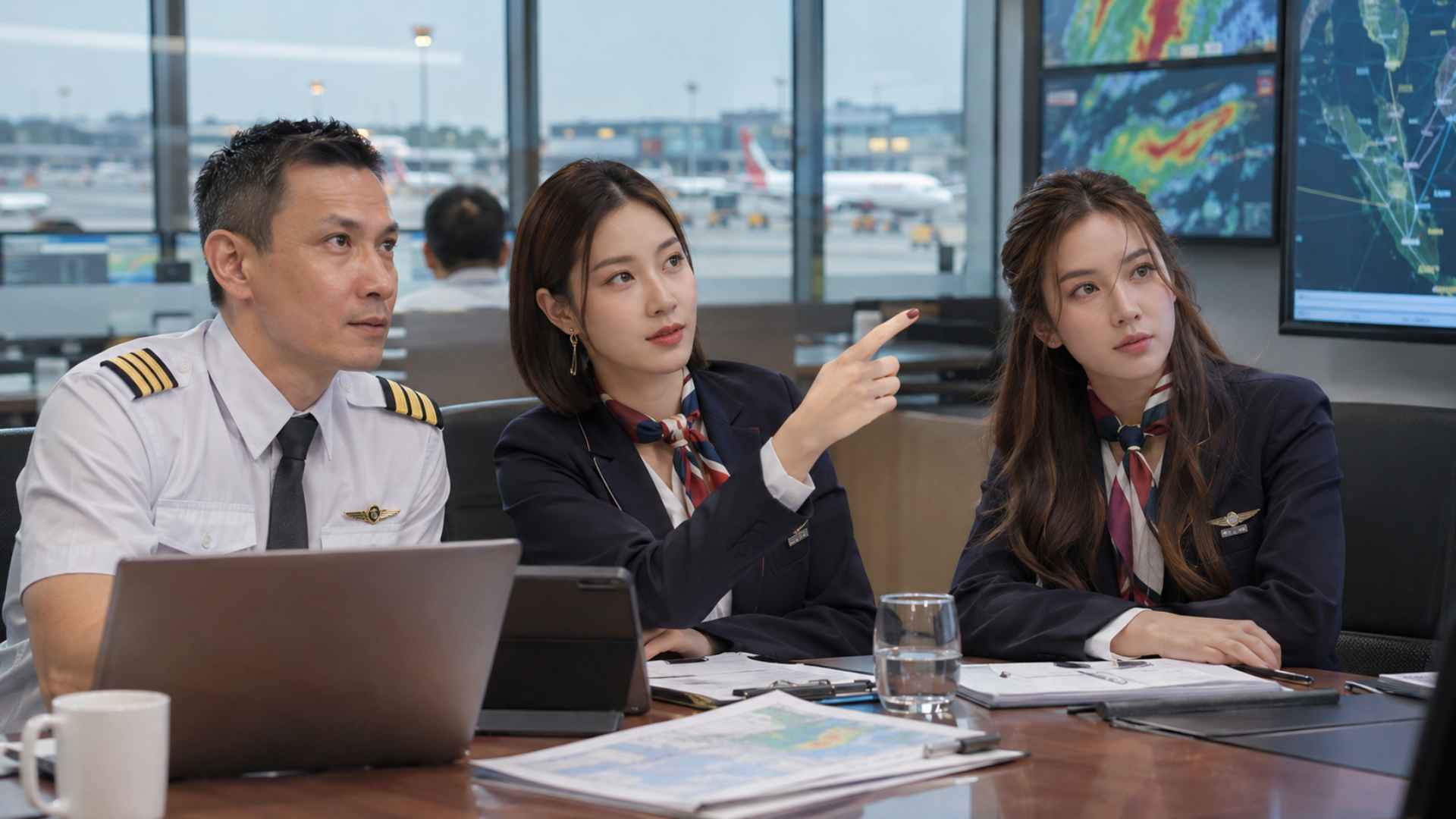
The airline industry in Southeast Asia continues to grow as more people travel for business, tourism, education, and family visits. Countries such as Indonesia, Thailand, Singapore, Malaysia, Vietnam, and the Philippines have become important aviation markets. Growing passenger demand creates new opportunities for airlines, but it also brings operational challenges that are not always easy to manage. Airlines must maintain reliable services while dealing with different market conditions, infrastructure limitations, and changing customer expectations.
Operating an airline in this region requires careful planning and strong coordination. Weather conditions, airport capacity, fuel expenses, workforce availability, and regulatory differences can affect daily operations. These issues are especially important for airlines operating across several countries, where each market has its own transportation policies and operational requirements. Understanding these challenges helps explain why maintaining consistent airline services in Southeast Asia can be difficult.
Airport Infrastructure Limitations And Increasing Passenger Traffic
One major challenge facing airlines in Southeast Asia is the difference in airport infrastructure between countries and cities. Major airports in Singapore, Kuala Lumpur, Bangkok, and Jakarta handle significant passenger volumes and international connections. However, smaller airports and regional destinations may have limited terminal facilities, runway capacity, ground handling equipment, and passenger processing systems. These differences can make it harder for airlines to maintain consistent operations across their networks.
Increasing passenger traffic also puts pressure on airport facilities. When airports become crowded, aircraft may experience longer waiting times before takeoff or after landing. Limited parking stands, runway congestion, and baggage handling delays can affect flight schedules. Airlines must adjust turnaround times and coordinate closely with airport operators to reduce disruptions. These operational problems can become more complicated during holiday seasons, when passenger numbers increase significantly and airport resources face greater demand.
Weather Conditions And Rising Airline Operating Costs
Weather is another important factor affecting airline operations throughout Southeast Asia. The region experiences tropical weather patterns, including heavy rainfall, thunderstorms, strong winds, and seasonal monsoons. These conditions can create flight delays, diversions, and cancellations, particularly at airports with limited operational capacity during severe weather. Indonesia and the Philippines also face additional challenges because their large geographical areas and island based transportation networks make alternative flight arrangements more complicated.
At the same time, airlines must manage operating expenses that can change significantly over time. Aviation fuel is one of the largest expenses for most carriers, and international oil price movements can influence airline profitability. Currency fluctuations can also increase costs because aircraft leasing, maintenance services, spare parts, and fuel related expenses are often linked to foreign currencies, especially the US dollar. Airlines operating in Southeast Asian markets must balance these expenses with competitive ticket prices. This can be difficult for low cost carriers that depend on affordable fares and efficient aircraft utilization to maintain their business models.
Workforce Management, Regulations, And Airline Technology
Finding and retaining qualified aviation professionals is another operational concern. Airlines need experienced pilots, cabin crew, aircraft engineers, ground staff, and operations controllers to maintain safe and reliable services. As passenger demand grows, the need for trained employees also increases. However, aviation positions require specific qualifications, technical knowledge, and ongoing training. Airlines cannot simply increase staffing numbers without considering certification requirements, safety procedures, and operational experience. Workforce scheduling is also challenging because flight operations run throughout the day and night, often across multiple time zones.
Regulatory differences between Southeast Asian countries can create additional difficulties for airlines. Each country has its own aviation authority, operating requirements, safety oversight procedures, and airport regulations. Airlines operating international routes must comply with the rules of every market they serve, including requirements related to aircraft operations, crew documentation, security, and passenger services. International aviation standards provide a common foundation, but local implementation and administrative processes can still differ. As a result, airlines need dedicated compliance teams and effective communication with aviation authorities to avoid unnecessary operational problems.
Technology is becoming increasingly important in managing these challenges. Airlines rely on digital systems for flight planning, aircraft maintenance monitoring, crew scheduling, ticket reservations, baggage management, and passenger communication. However, implementing new technology requires investment, employee training, and proper system integration. Older systems may not communicate effectively with newer platforms, creating data management problems and operational inefficiencies. Cybersecurity is another concern because airlines handle sensitive passenger information and depend on connected systems for essential business activities. A system failure can affect reservations, check in services, flight coordination, and customer support. Airlines therefore need reliable technology infrastructure, regular maintenance, and appropriate data protection measures.